We Help Ourselves
Residential Programs
Live-in rehabilitation in a therapeutic community — a safe and supportive place to recover, with staff and peers around you.
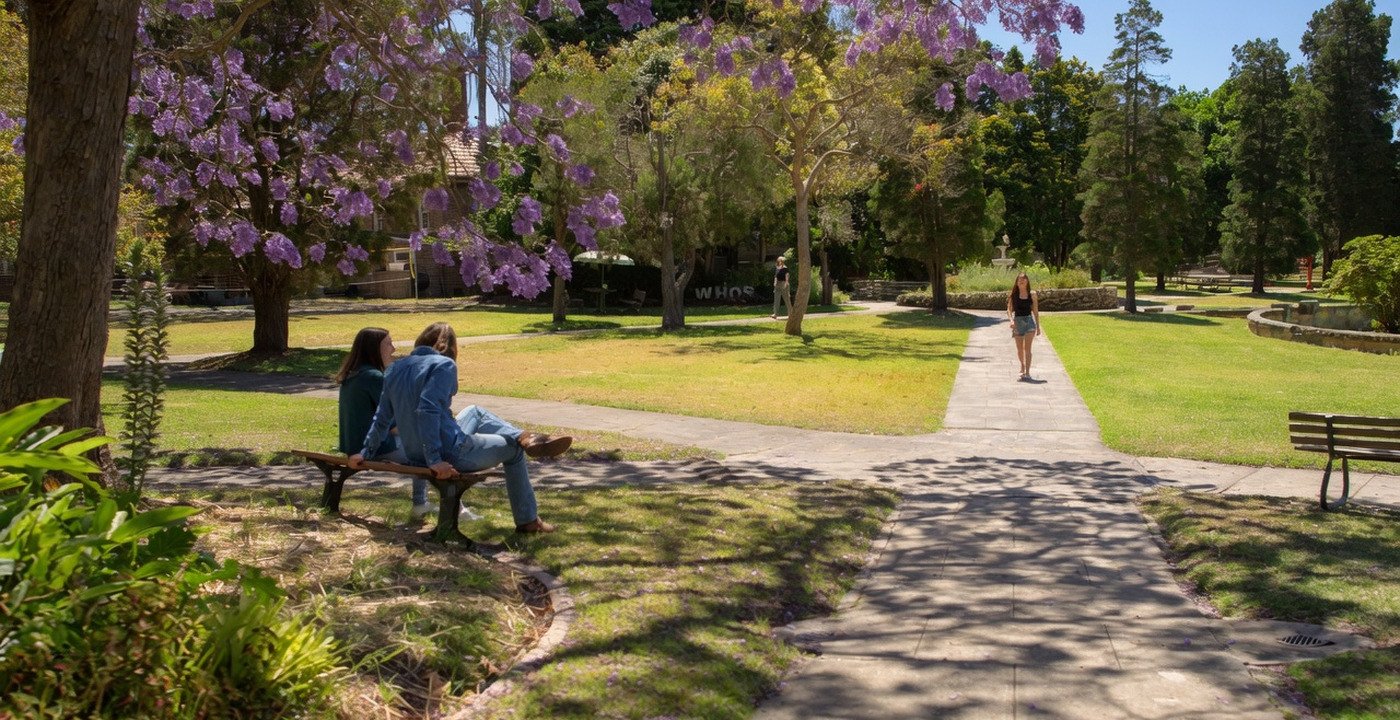
In a therapeutic community, the community itself is a key part of the treatment program. You will be encouraged, and supported, to explore the issues related to your substance dependence through structured group sessions, one-on-one support, and practical guidance for your recovery, including how to avoid or reduce harm. As you progress through the stages you will achieve increasing autonomy and responsibility.
Programs
Our residential communities
Five live-in Therapeutic Communities and WHOS West supported accommodation. All accept self-referrals.

Gunyah TC
Drug-free residential Therapeutic Community for men.
New Beginnings TC
Drug-free residential Therapeutic Community for women.

Hunter Valley TC
Drug-free residential Therapeutic Community for men and women.
Najara TC
Drug-free residential Therapeutic Community for men and women.
Mandala House TC
Drug-free residential Therapeutic Community for men and women.

WHOS West
Supported accommodation for people moving from structured treatment toward independent living.
Inside WHOS
See life inside our communities
A look at day-to-day life in the residential programs — who they are for and what to expect.
Programs for women, programs for men
Inside Gunyah TC and New Beginnings TC — our gender-specific communities in Sydney.
Regional communities
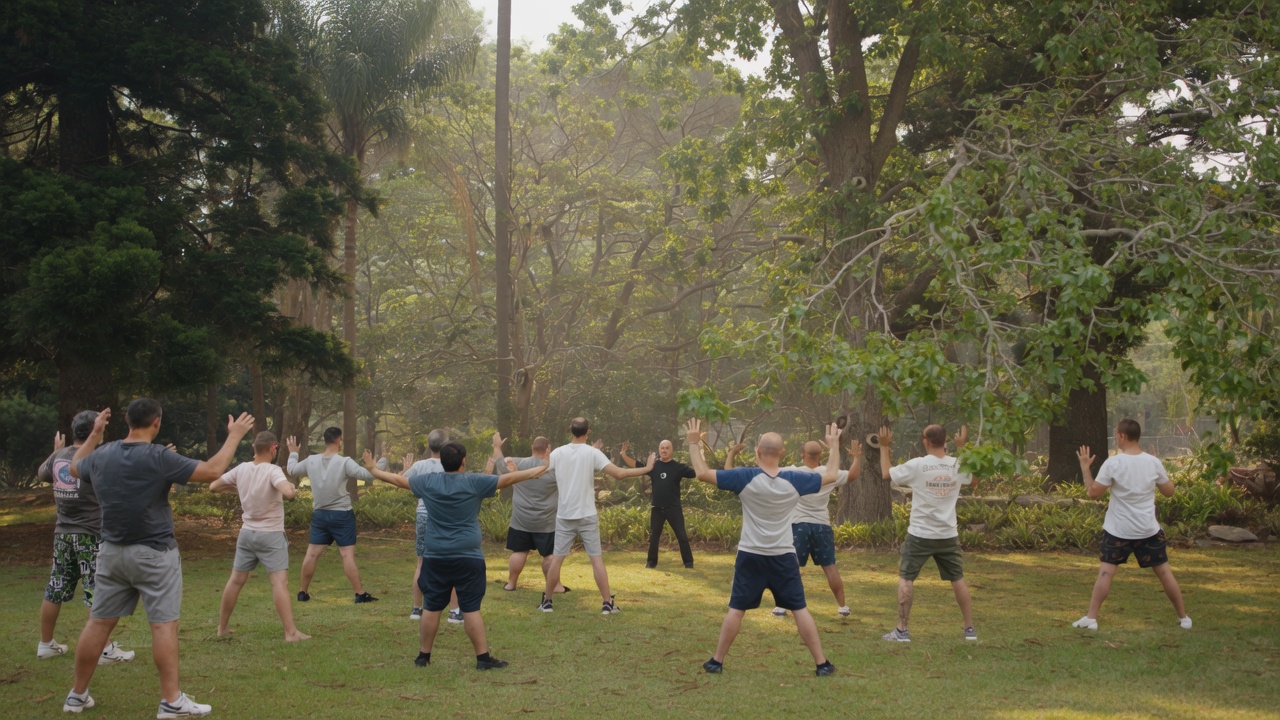
Hunter Valley TC in Cessnock, Najara TC on the Sunshine Coast and Mandala House TC in Goulburn.
Life at WHOS
Residential Programs gallery
Images in this gallery are managed from the matching WordPress Media folder.
Your pathway
The shape of a live-in program
Up to three to seven months in total, with aftercare available as required.
- 190–120 days
Therapeutic Community
Practical skills, connection and recovery within a supporting community.
- 2Following the TC program
Transition
Preparing for community living, employment and/or education.
- 3As required
Aftercare
Ongoing step-down support based on individual circumstances and recovery needs.
Common questions
What people ask us
Journey-specific answers are here. For general questions about assessment, cost, medication, access and privacy, use the central FAQ.
Read all frequently asked questions →How do I get admitted?
Call the service you are interested in, or the general number, for a phone assessment. If the program suits you, staff will book a face-to-face assessment.