We Help Ourselves
Our history
From one Sydney house in 1972 to therapeutic communities across NSW and Queensland.
We Help Ourselves · 1972 → Today
Fifty years of helping ourselves
From a handful of ex-consumers to Australia’s first therapeutic community for drug and alcohol dependence — the WHOS story, milestone by milestone.
Scroll to begin ↓
WHOS is founded
A group of committed ex-users of alcohol and other drugs establish We Help Ourselves in inner Sydney. The name is the method: self-help and mutual peer support, from day one.
Founding
Australia's first therapeutic community
Links with pioneering US programs see WHOS evolve into a traditional Therapeutic Community — the first TC for drug and alcohol dependence established in Australia.
Model of care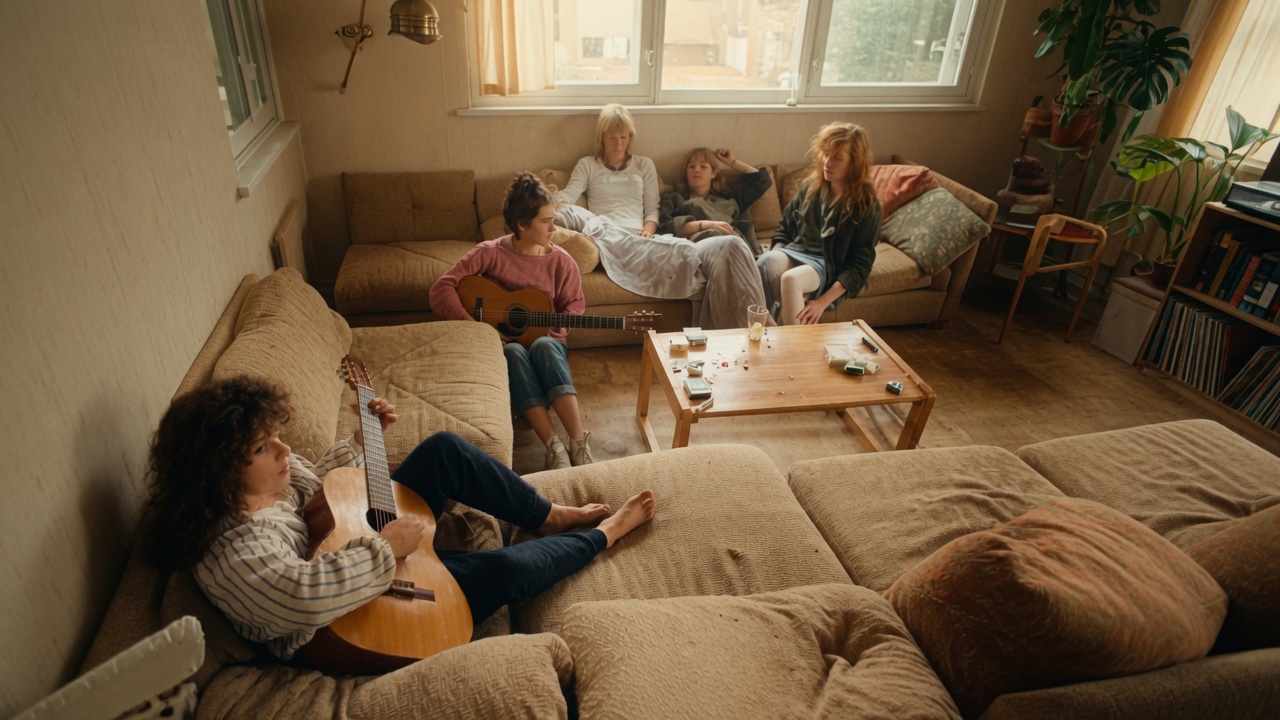
The harm minimisation era
As HIV/AIDS emerges, WHOS integrates harm minimisation and infectious-disease education across all services — forward-thinking for a drug-free program at the time.
Sector first
Founding member of ATCA
WHOS becomes a founding member of the Australasian Therapeutic Communities Association — the peak body supporting TCs across Australia and New Zealand.
Leadership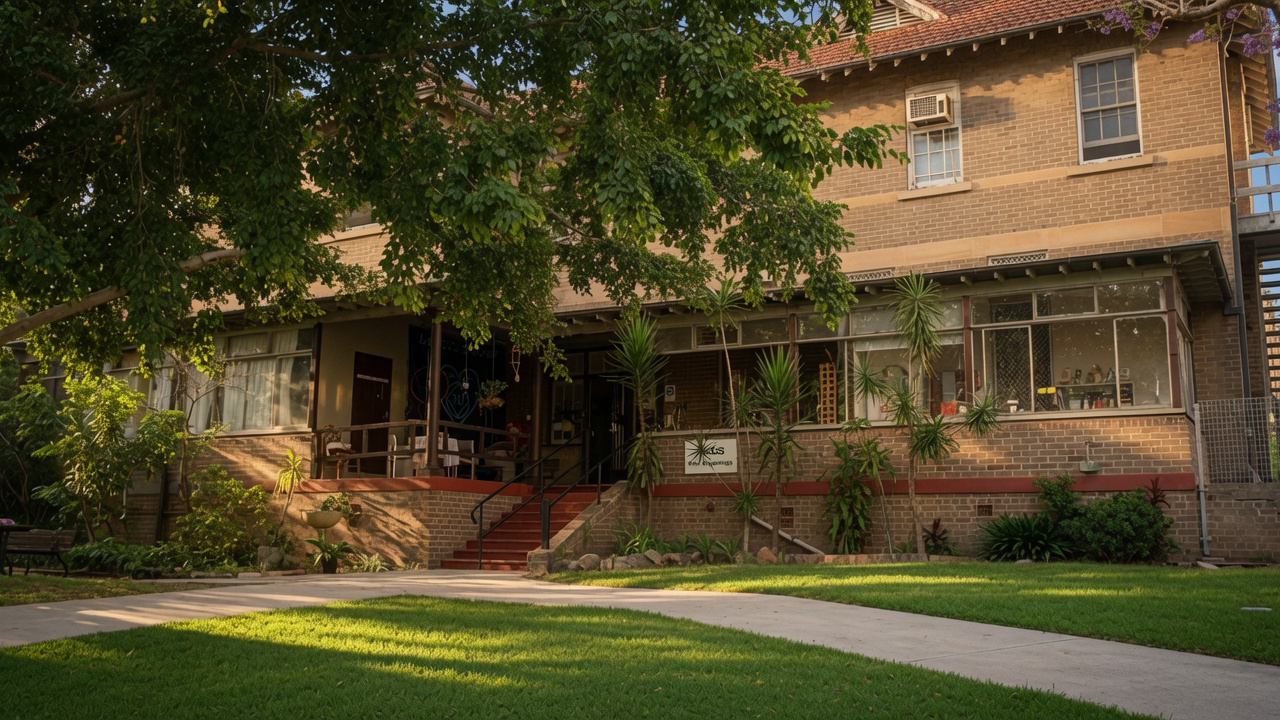
New Beginnings women's TC
NSW Health Minister John Hannaford — a former WHOS board member — announces funding for a women-only therapeutic community, recognising women's specific treatment needs.
New service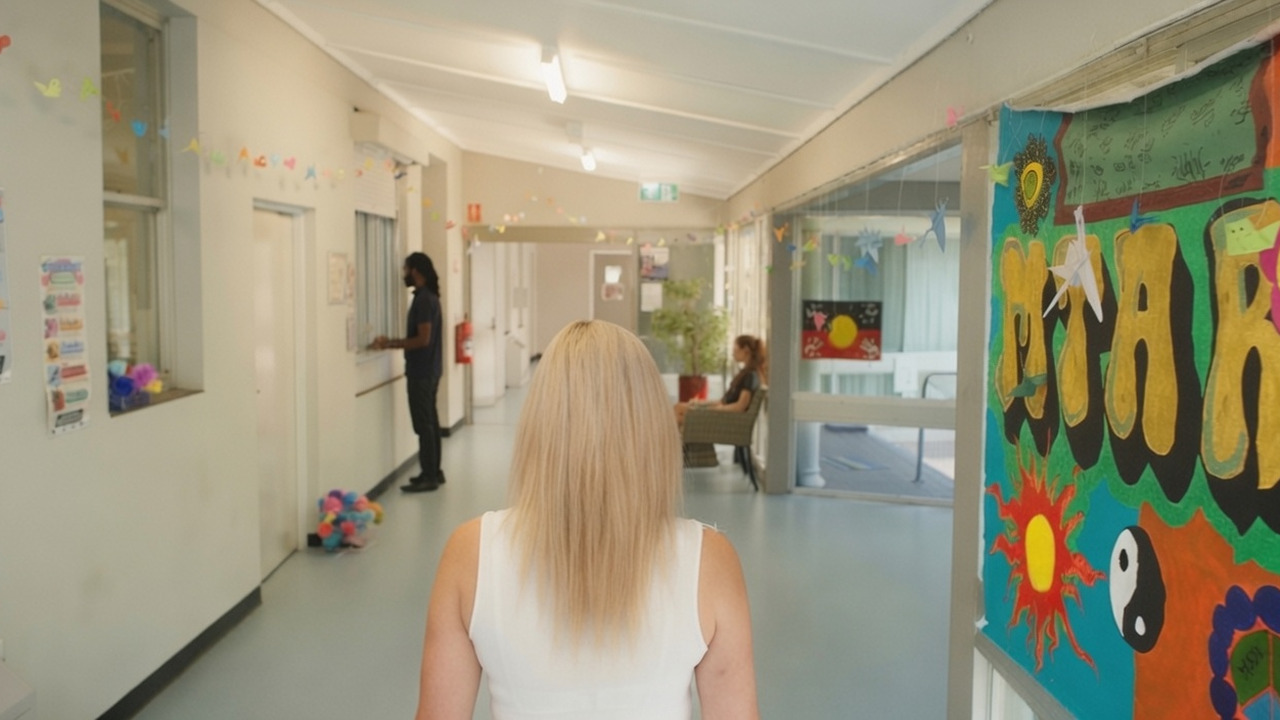
Prime Minister opens MTAR
Prime Minister John Howard officially opens WHOS MTAR — Methadone to Abstinence Residential — while launching the National Diversion Initiative. Later renamed OSTAR.
Milestone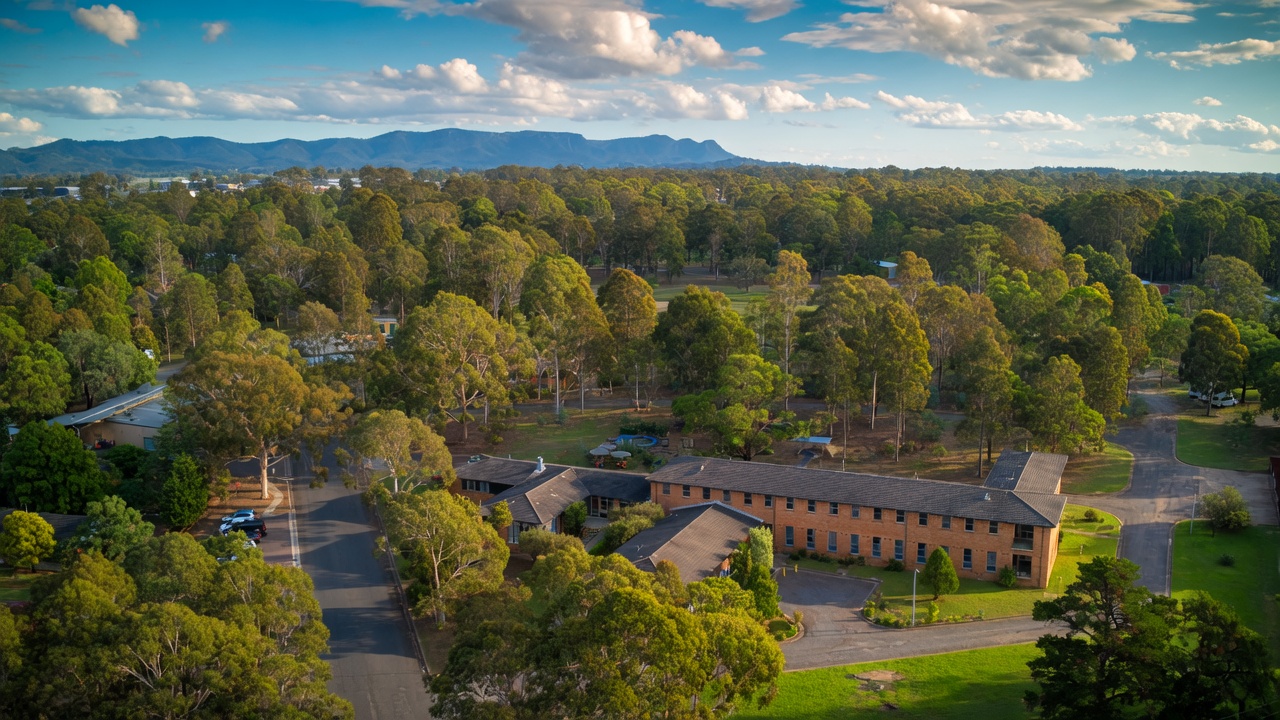
Hunter Valley TC opens
WHOS' first regional service: a 30-bed mixed-gender TC opened by Minister John Della Bosca, named Ken Trevallion House for WHOS' late President.
New location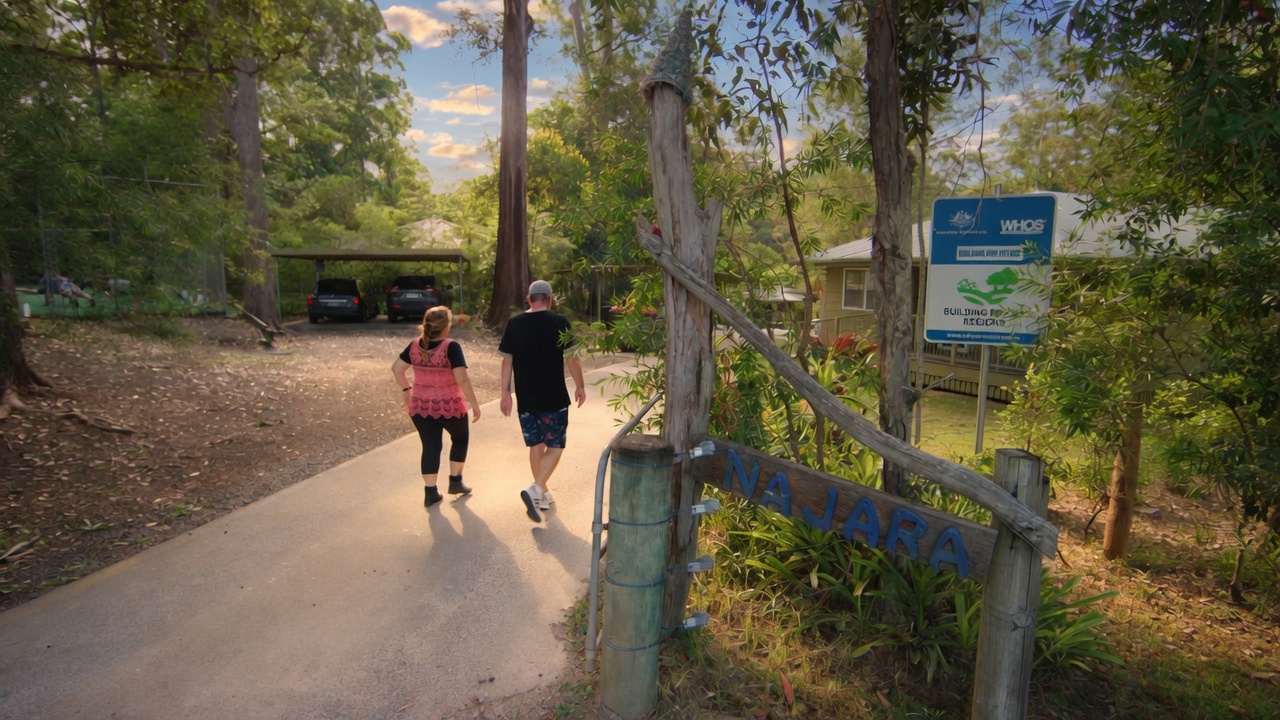
Najara — WHOS goes interstate
After PM Howard announces funding in 2004, WHOS Najara opens in July 2005 near Nambour — WHOS' first service outside NSW, purchased outright in 2006.
Interstate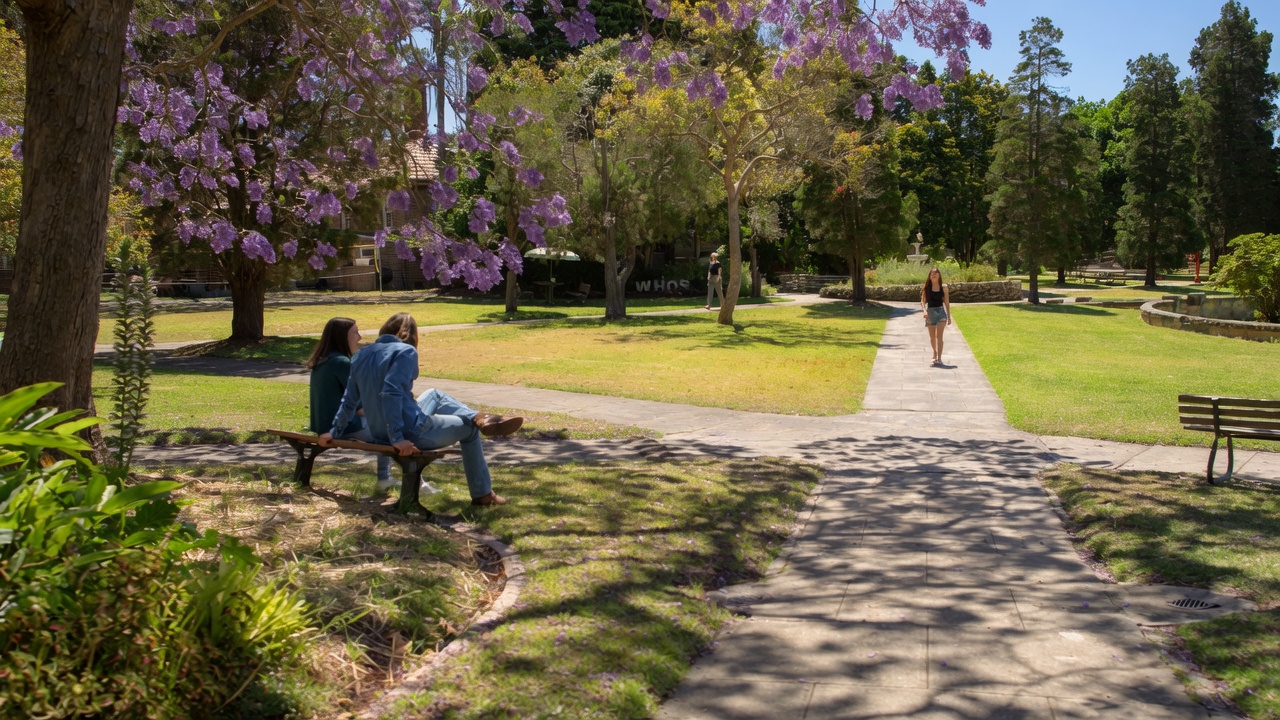
WHOS West
A supported transitional program for Western Sydney — an office and six beds in Penrith, with seven residential care beds at Rozelle, bridging treatment and independent living.
New service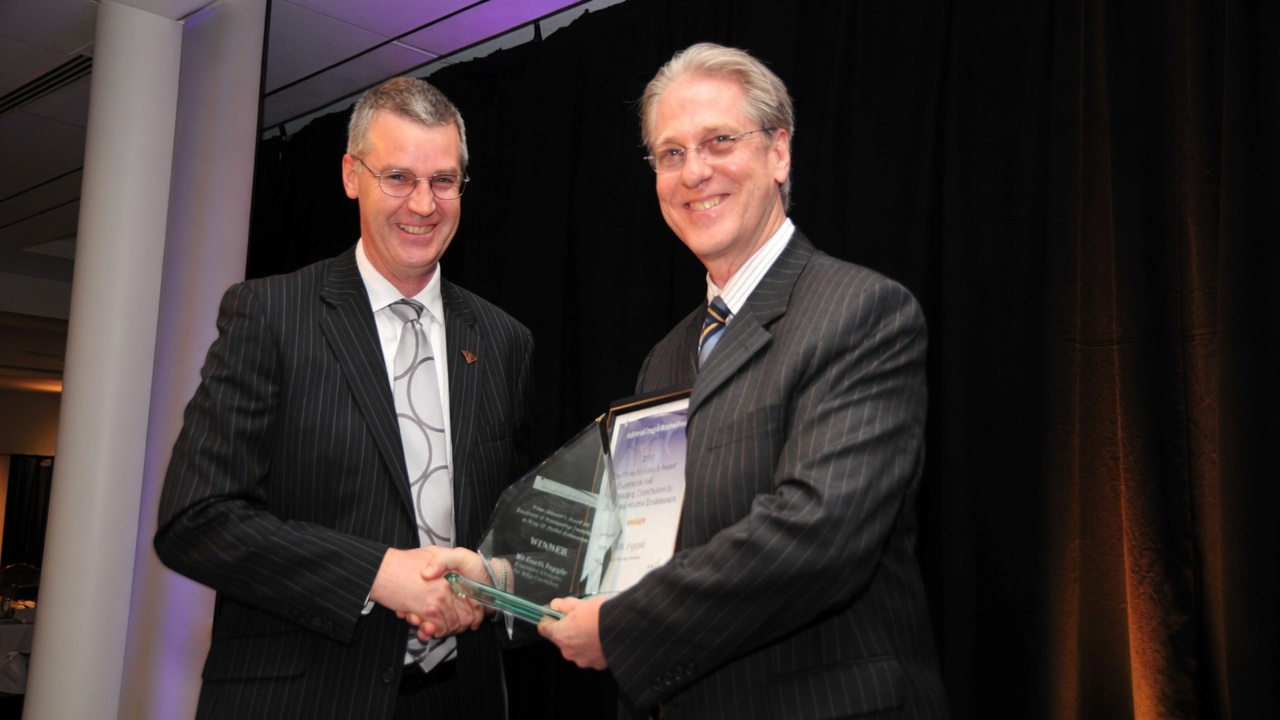
Recognition at the highest level
Executive Director Garth Popple enters the National Honour Roll in 2007 and receives the Prime Minister's Award from Julia Gillard in 2010; WHOS wins NADA's Outstanding Contribution Award.
Honours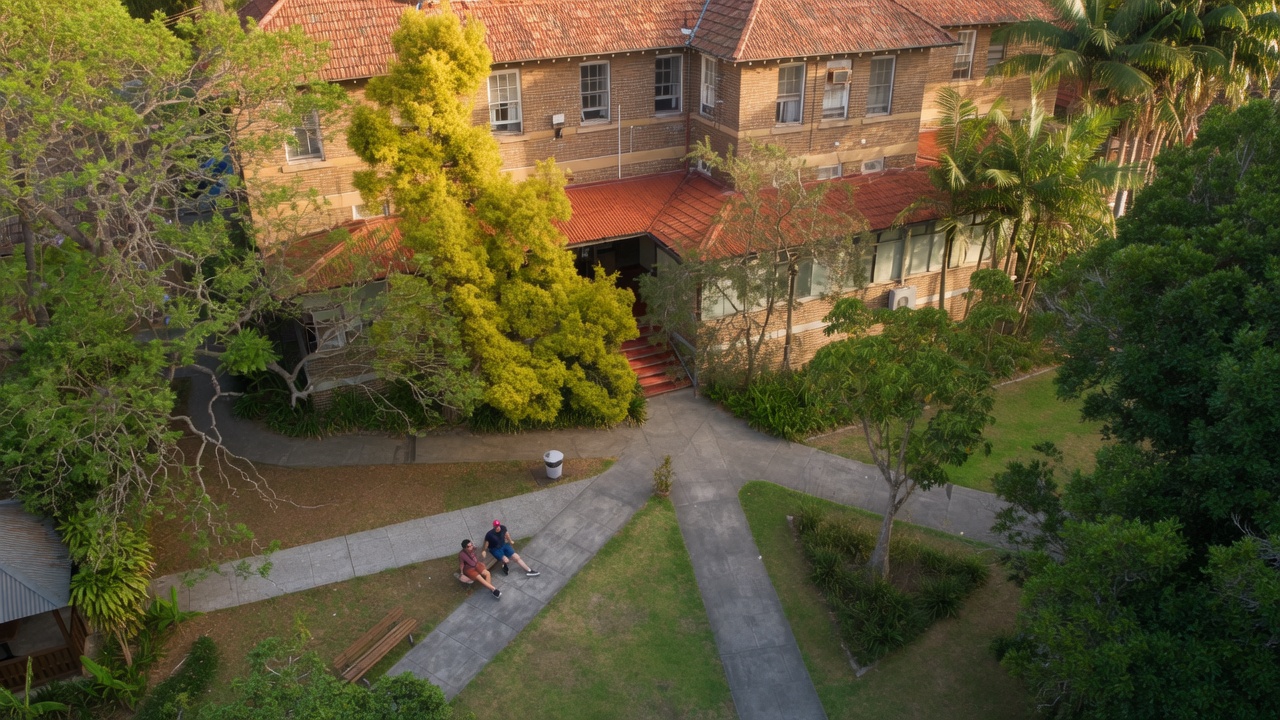
One campus at Lilyfield
Sydney services consolidate onto the former Rozelle Hospital site in the Broughton Hall precinct. A long-term lease secures the 130-bed Lilyfield campus.
Consolidation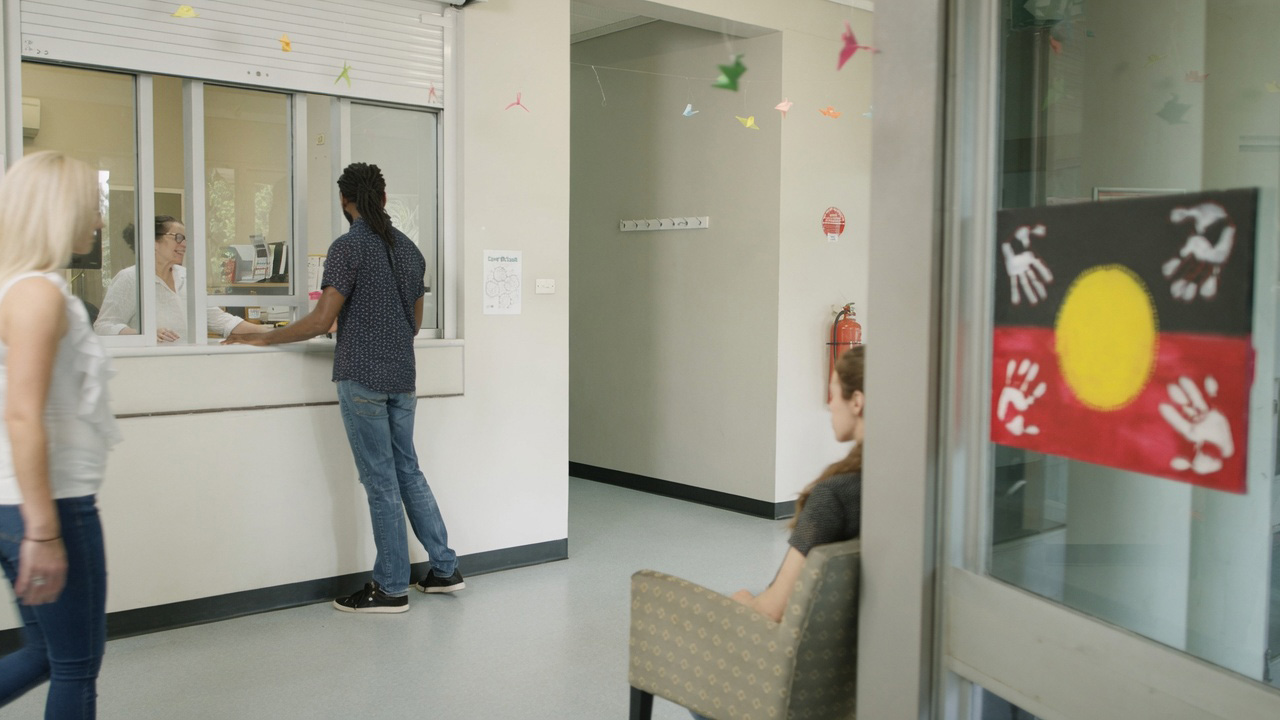
RTOD stabilisation TC
RTOD opens as a modified TC stabilising people on opioid substitution treatment whose lives have become chaotic — the only residential service of its kind in Australia.
New service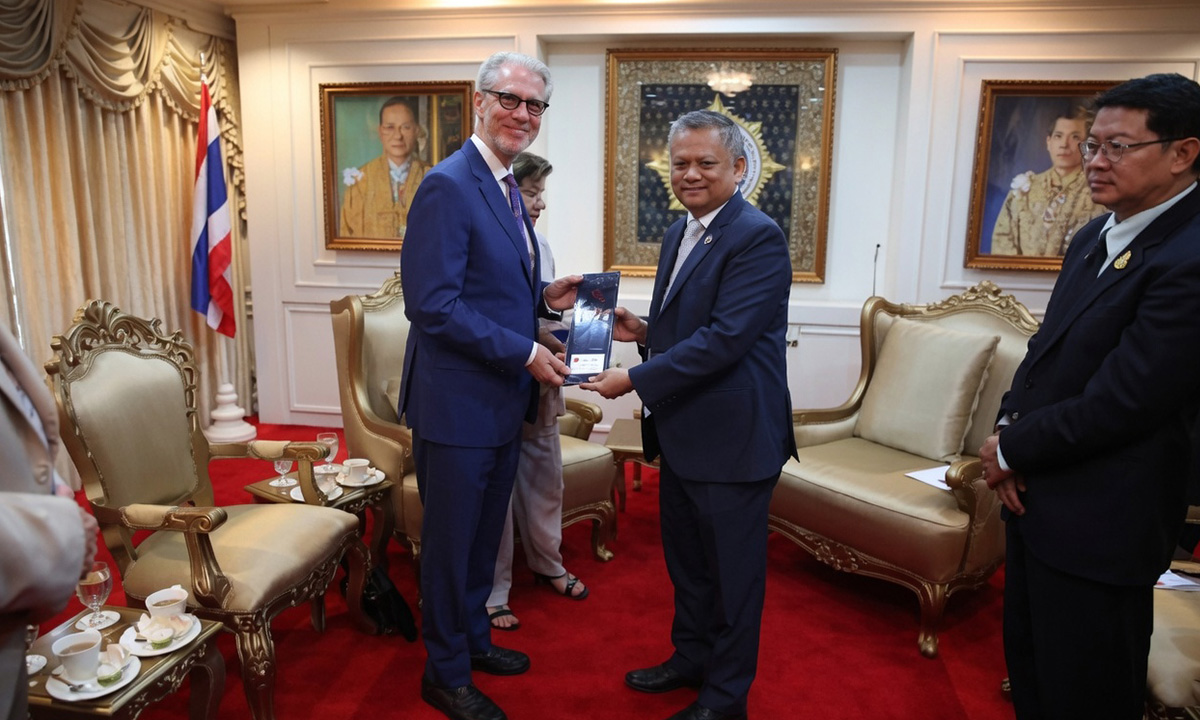
WHOS goes global
Garth Popple is elected President of the IFNGO. WHOS trains services across Asia — Indonesia, Vietnam, Thailand, Macau — with Japanese study groups visiting Rozelle.
International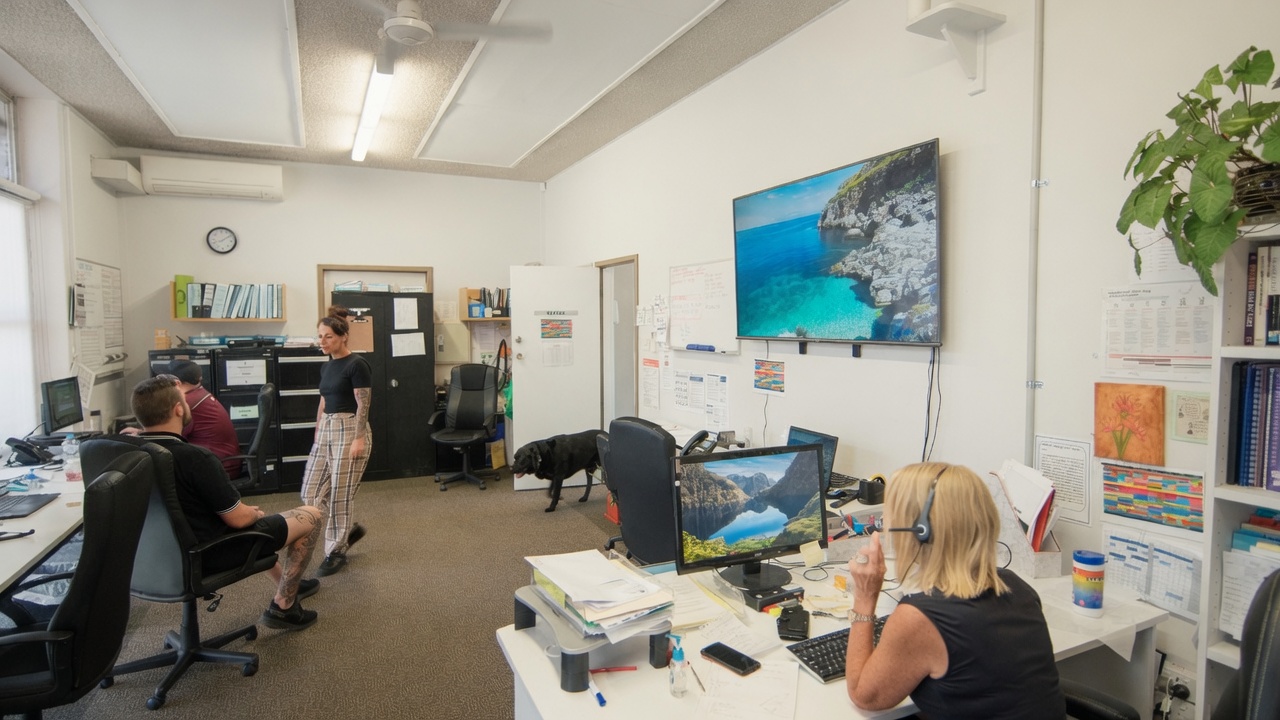
Dosing clinic & Newcastle Day Program
NSW Health funds the only NGO-run opioid dosing clinic in Australia at the WHOS campus, and a new Newcastle day program supports people on methadone or buprenorphine.
Expansion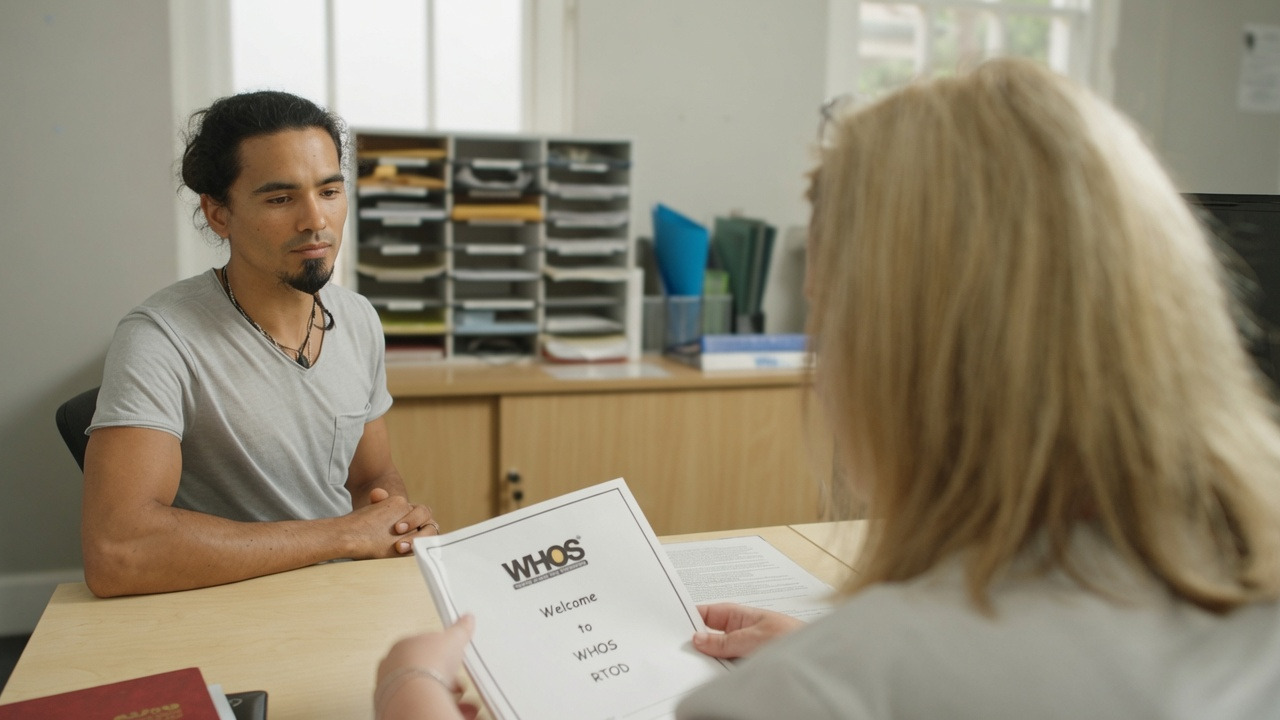
RTOD honoured, a national first
WHOS wins at the 2017 National Drug & Alcohol Awards, presented alongside PM Turnbull, for its RTOD residential service, a national first.
National award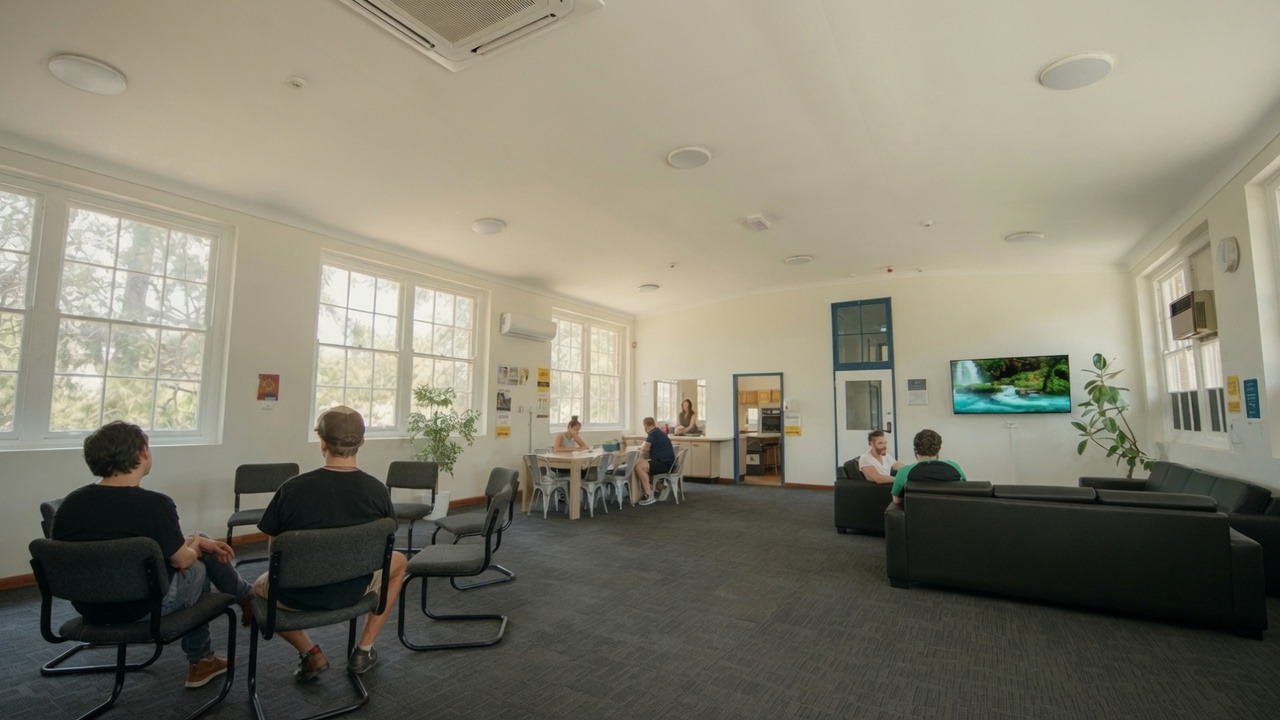
Lilyfield Day Program
A day program launches at the Lilyfield campus, extending WHOS' treatment options beyond residential care for people able to live at home while in recovery.
New service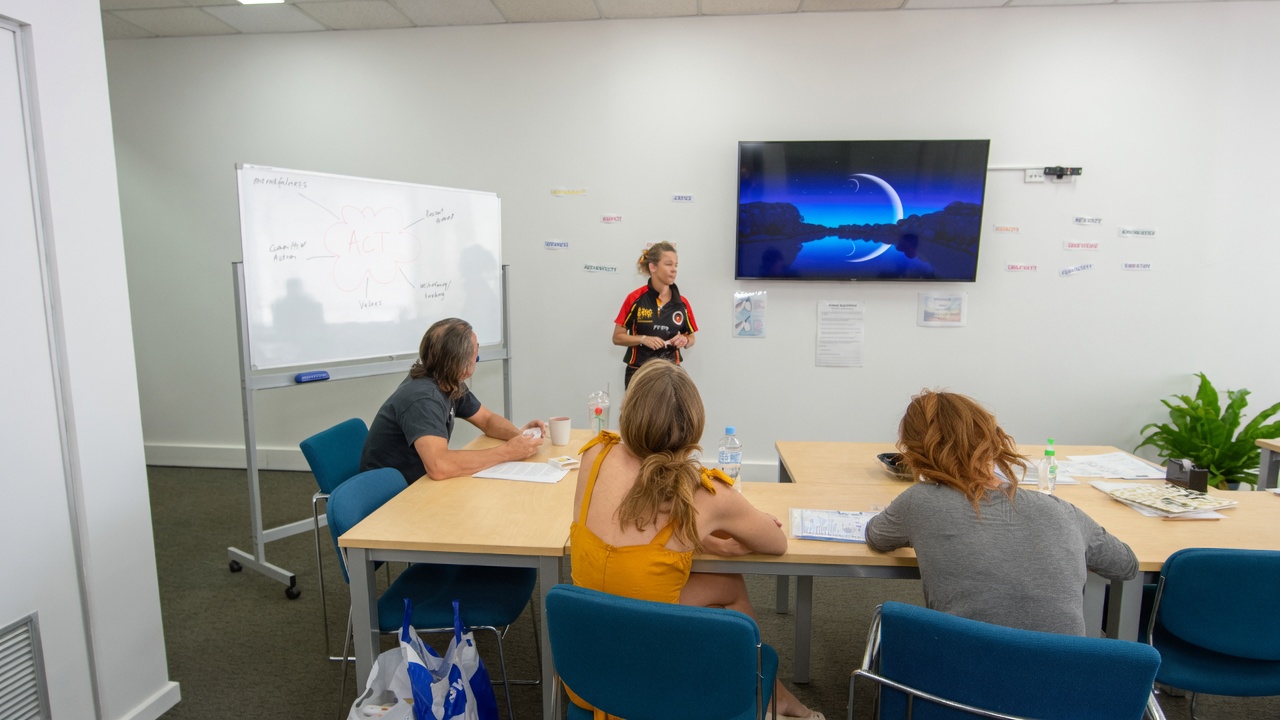
Penrith Day Program
A free PHN-funded day rehabilitation hub opens for the Nepean Blue Mountains region, growing to 300+ clients a month with a purpose-built Multi-Function AOD Centre.
New location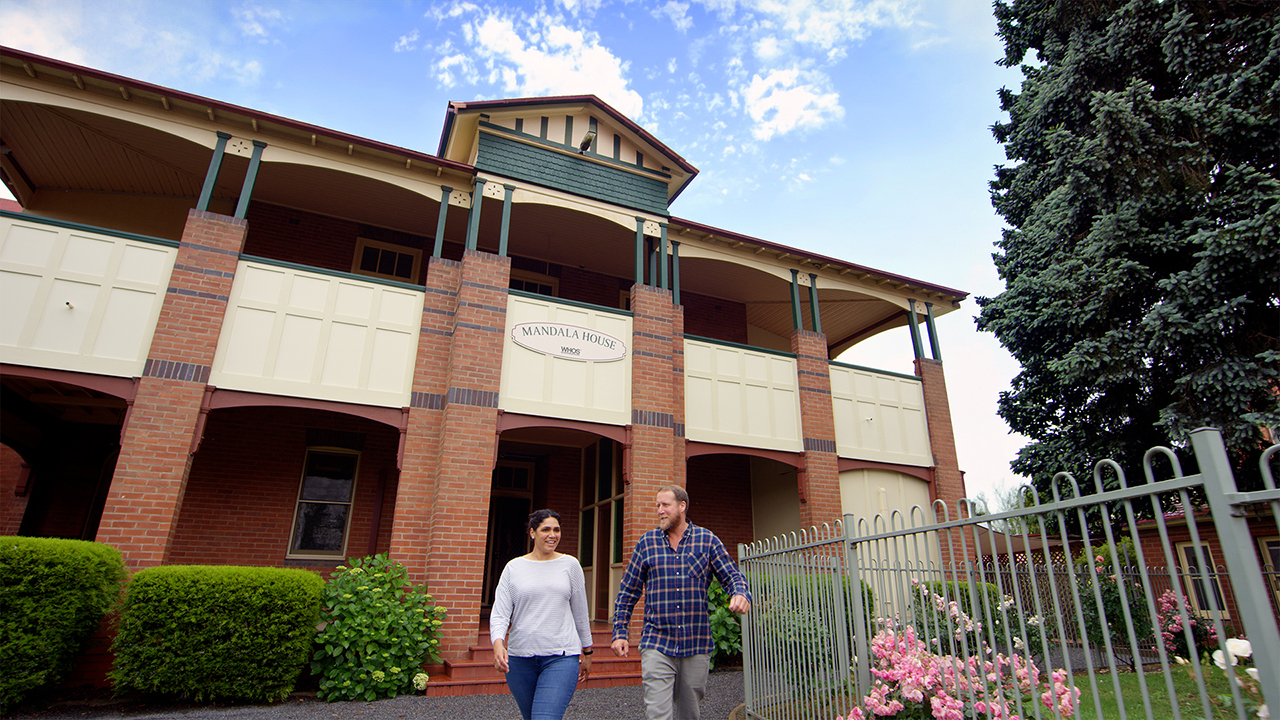
Mandala House & the Goulburn Day Program
After a 2017 coronial recommendation, the NSW Government commits $6.2 million and WHOS opens Mandala House in the 19th-century convent of the former St John of God Hospital.
New location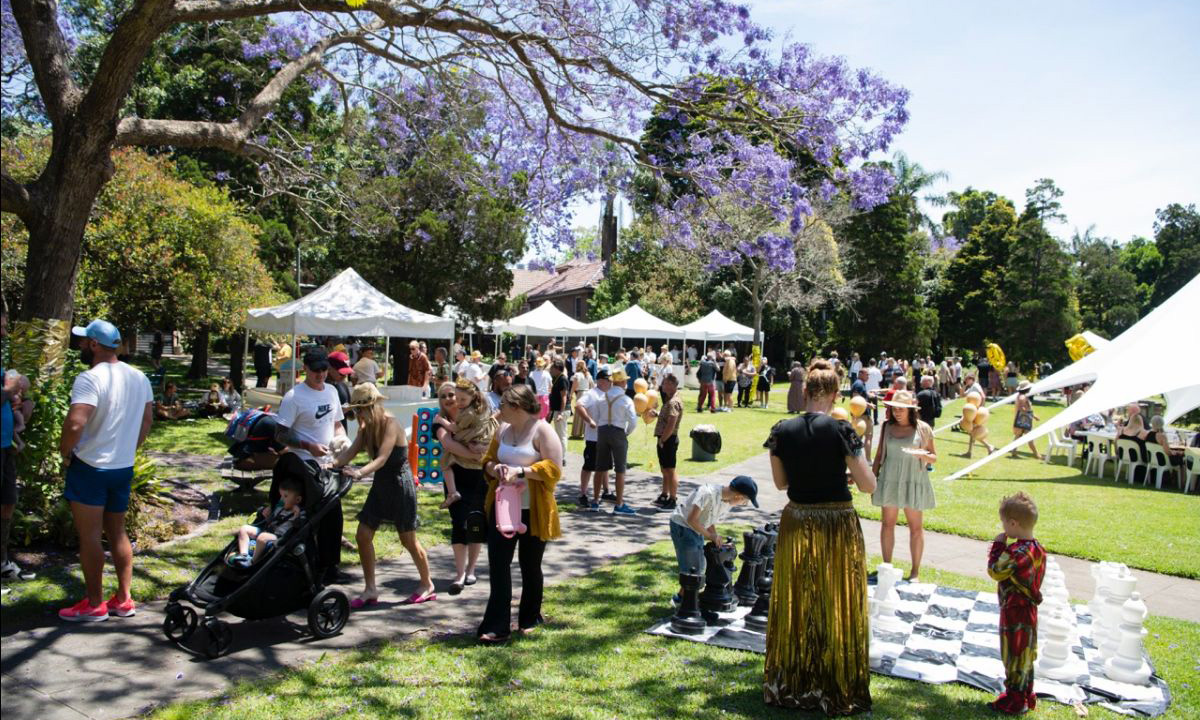
50 years of WHOS
Fifty years after ex-consumers founded We Help Ourselves, the self-help principle still drives every program — 40,000+ helped, ~800 admitted each year.
Half a century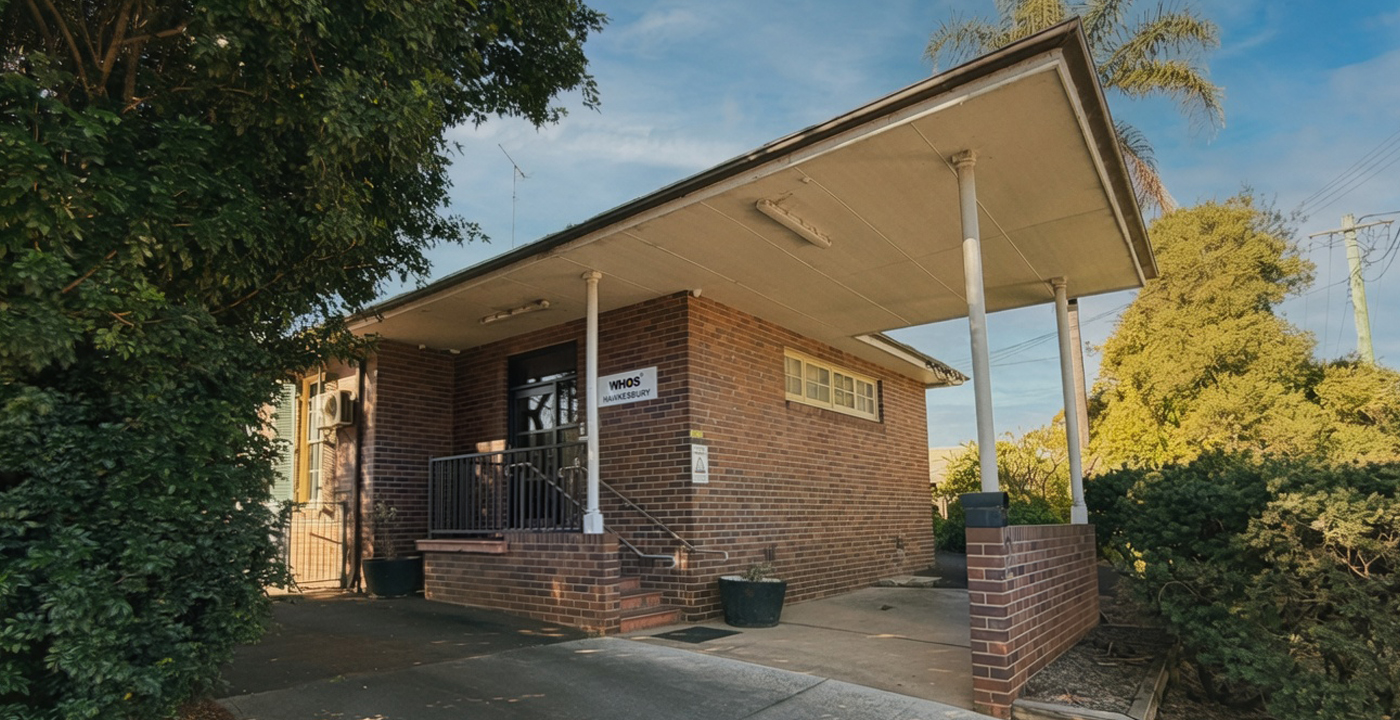
Hawkesbury Day Program
The day-program network reaches the Hawkesbury: free walk-in assessment, structured group work and Indigenous-specific programs, extending WHOS across the whole region.
New location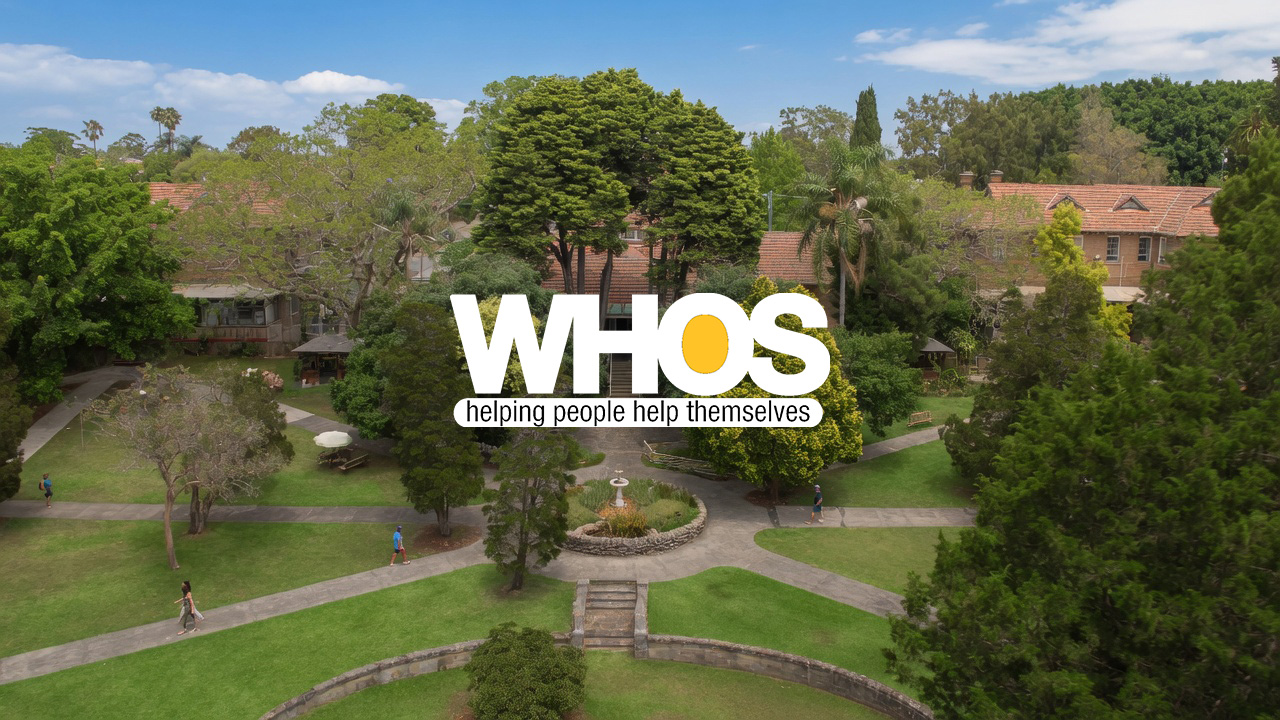
A statewide & interstate network
Six therapeutic communities and hubs across NSW and Queensland — dual ACHS EQuIP6 + ATCA certification (2025). 166 beds, ~800 admissions a year, treatment free regardless of means.
Present day