Here to learn Understand addiction and treatment. Learn how treatment pathways work, what common treatment terms mean and how a therapeutic community supports recovery. Nothing here is a diagnosis, and there is no pressure to act.I’m here to learn
The stages of a live-in program
Up to three to seven months in total, with residential aftercare available as required.
Therapeutic community
Build routines, insight, practical skills and connection in community.
Transition
Strengthen recovery plans and prepare for greater independence.
Residential aftercare
Ongoing support is shaped around individual need and readiness.
Program length can vary according to assessment, progress and individual circumstances.
Treatment can feel confusing when the language and choices are unfamiliar. This guide explains common terms, treatment pathways and the therapeutic-community approach in plain language.
There is no single pathway that suits everyone. Assessment staff can help you understand which options may fit your needs and goals.
What happens next
- 01
Understand treatment
Learn what different programs do and why no single pathway suits everyone.
- 02
Compare pathways
Compare Residential Programs, OTP Residential Programs and Day Programs.
- 03
Learn the language
Use the glossary to understand common treatment and recovery terms.
- 04
Take the next step
Talk confidentially with WHOS when you want information or support.
The words you will hear
AOD
Alcohol and other drugs.
Therapeutic community (TC)
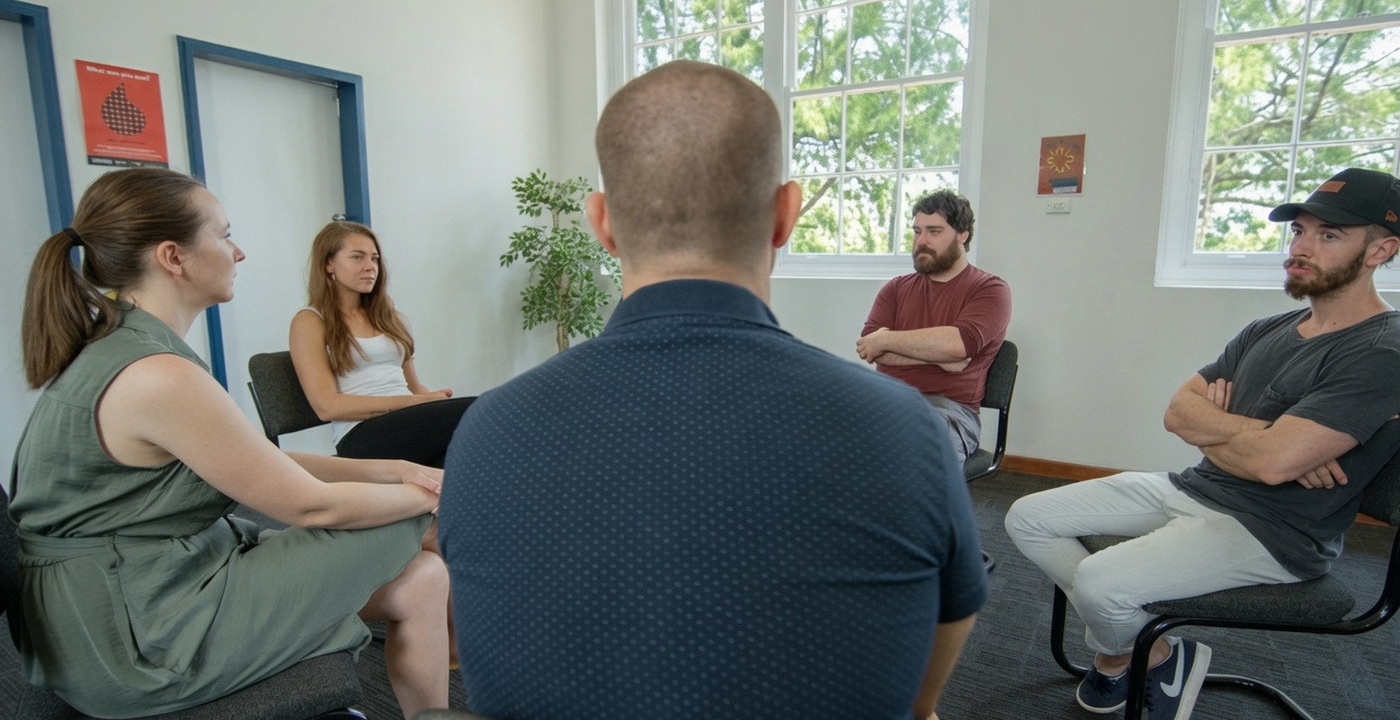
A structured live-in community where daily life, groups and peer support are part of treatment.
Withdrawal / detox
Support to safely stop or reduce a substance and manage withdrawal symptoms.
Opioid treatment program (OTP)
Treatment using prescribed medicines such as methadone, buprenorphine or Buvidal to support people with opioid dependence. Buvidal is a long-acting injectable formulation of buprenorphine.
Stay on opioid treatment
Continuing prescribed opioid treatment while receiving residential therapeutic and practical support.
Come off opioid treatment
A supported pathway for people whose goal is to withdraw from prescribed opioid treatment.
Harm reduction
Practical steps that reduce risk even when a person is not ready or able to stop.
Relapse prevention
Learning to recognise triggers, plan responses and return to support quickly.
Acceptance and commitment therapy (ACT)
Skills for making room for difficult thoughts and acting in line with personal values.
Case management
Coordinating treatment, health, housing, legal and practical supports.
Aftercare
Support after an intensive program to maintain gains and connection.
MERIT and Drug Court
Justice-related treatment pathways that may connect eligible people with structured support.
How a therapeutic community works
The main kinds of treatment
Withdrawal management
Clinical support to stop or reduce substances safely and manage withdrawal.
Residential rehabilitation
Structured live-in treatment focused on recovery skills, health and community.
OTP Residential Programs
Residential support for people who want to stay on or come off prescribed opioid treatment.
Day programs
Group treatment and practical support while you continue living at home.
Supported care and referral
Assessment, navigation and links to the services that best match your needs.
What a week actually looks like
Things people get wrong about treatment
“You have to hit rock bottom first.”
People can seek help at any stage. Earlier support can reduce harm and open more options.
“You have to be clean before they will take you.”
Not necessarily. Assessment helps identify whether withdrawal support or another pathway is needed first.
“Being on methadone means you are not really in recovery.”
Medication can be an evidence-based part of recovery and may provide safety and stability.
“It costs a fortune.”
WHOS is primarily government funded. Assessment staff explain any residential contribution before admission.
“If you leave early, you have failed.”
Recovery is rarely a straight line. Reconnecting with support and learning from what happened are valuable next steps.
About WHOS
Ready to find the right program?
Explore WHOS treatment options and choose the next step that feels right.